"The theory is simple and reasonable: the more you know about what is happening right now, the better you'll be at predicting what will happen next. One United States intelligence agency is planning to do just that -- using Google, Twitter, Facebook, and anything else that provides a window on current events and trends. [...]
The kinds of sources of information that the project will be consulting are referred to as OSI, or Open Source Indicators -- such as "web search trends, blogs, microblogs, internet traffic, webcams, financial markets, and many others" according to the notice. Using "continuous, automated analysis" of these indicators, IARPA hopes to "anticipate and/or detect societal disruptions, such as political crises, disease outbreaks, economic instability, resource shortages, and natural disasters."
More: http://hken.ibtimes.com/articles/176564/20110708/us-government-to-use-internet-to-predict-the-future.htm

 "Let's talk about work, the job of writing. It's the only thing that counts. And even that calls for a good deal of indiscretion. Too much publicity in the way people talk about these things. We're objects of publicity. It's revolting. It's high time people took a cure of modesty. In literature as in everything else we're befouled by publicity. It's disgraceful. I say: do your job and shut up, that's the only way. People will read it or they won't read it, that's their business. The only thing for the author to do is to make himself scarce."
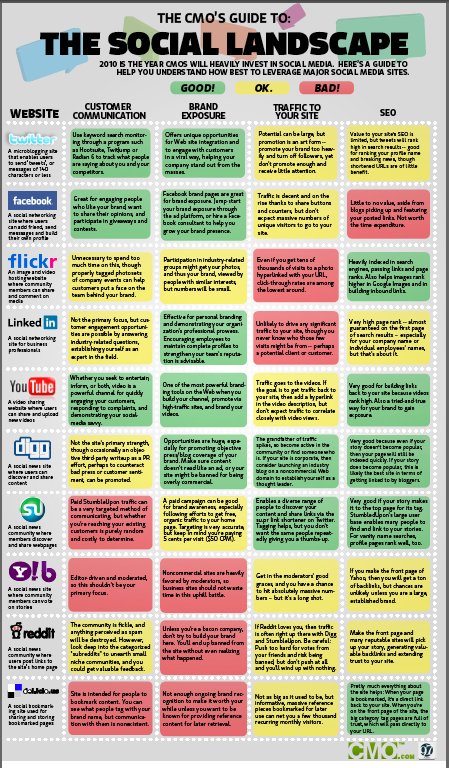

 The average person usually joins social networking websites such as Facebook and Twitter to get to know others better. However, as the Dutch secret services AIVD (General Intelligence and Security Service) and MIVD (Military Intelligence and Security Service) point out, people should be careful when placing information on their personal sites.